
The Republic’s Collapse in Domestic Scenes
The Glass RoomThis flow traces the political crisis through breakfasts, parties, travel preparations, and family conversations inside the Landauer home.
increasing Bearing strength in each event
 decreasing
Bearing strength in each eventdecreasingA Newspaper at Breakfast
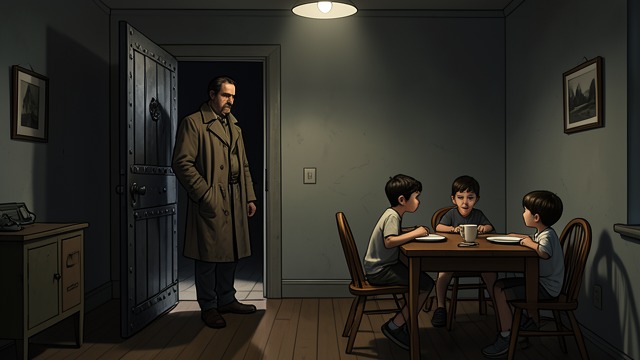
Politics Enters the Household
News in the library
Viktor reads reports of antisemitic restrictions while the children eat breakfast. Liesel hopes the developments will pass, but the news has become a personal warning to him.
The family’s ordinary morning is interrupted by a crisis still geographically distant.
A private disagreement
Viktor begins to plan for emigration, while Liesel sees leaving as an abandonment of home and business. Political danger becomes part of marital conversation.
A Nazi Guest at Dinner
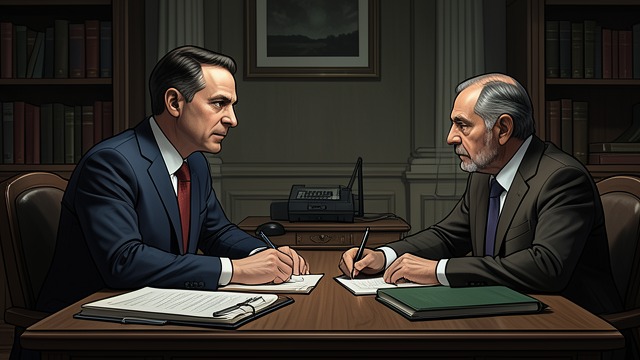
Ideology at the Table
Schreiber’s challenge
A German business visitor praises the house as an expression of German culture and presses Viktor about his national loyalties. Viktor answers that he is Jewish, refusing the guest’s assumption that German language or architecture defines him.
The exchange turns dinner into a confrontation over identity and belonging.
Democracy questioned
Schreiber treats democracy as an obstacle to German destiny. Viktor’s response reveals how political rhetoric is entering commercial life and private hospitality.
The Radio Announces Betrayal
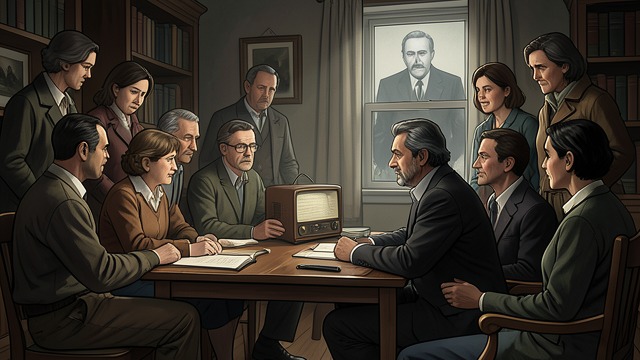
A Voice on the Radio
A speech of appeasement
The family and friends listen as a British leader describes the crisis as a quarrel in a distant country and accepts the transfer of territory in principle. Hana and Viktor hear the abandonment beneath the language of peace.
The radio brings international politics directly into the living room.
A small issue
The speech makes the country’s vulnerability explicit. The listeners understand that powerful states may treat their homeland as a minor matter, regardless of the lives at stake.
Packing Under Occupation
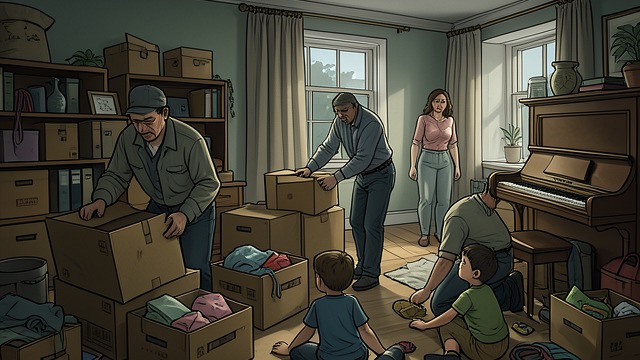
Crisis Becomes Domestic Labor
Boxes and rooms emptied
As German troops occupy the country, removal workers pack the house. Liesel sees the piano and children’s belongings as fragments of a life that may not continue elsewhere.
Hana arrives distressed, trying to process the occupation and the imminent separation.
Leaving has a human cost
The preparations make political events tangible as missing objects, interrupted routines, and farewells. The family cannot pack its whole life into cases.
The House After Departure
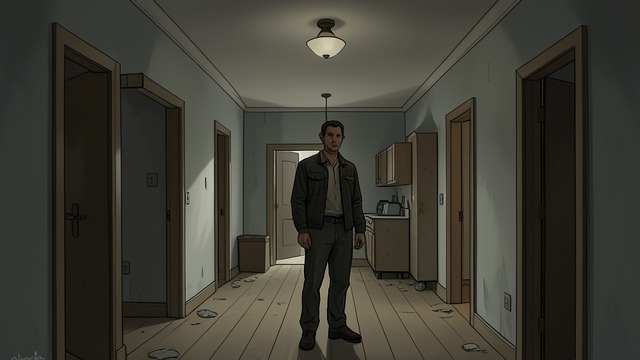
Silence Follows the Convoy
Laník remains
The Landauers leave, and Laník experiences the empty house as a place he can now control. The contrast between their fear and his sense of opportunity reveals how political upheaval redistributes power unevenly.
He occupies rooms that once made the family feel secure.
A home becomes a vacancy
The departure makes the house’s empty spaces visible. Its next use will be determined by authorities and occupants who do not share the family’s memories.
As Nazi restrictions intensify
During a business dinner before the occupation
During the Munich crisis
March 1939, before departure
Immediately after the family leaves
